Kayck Paddle Gallery
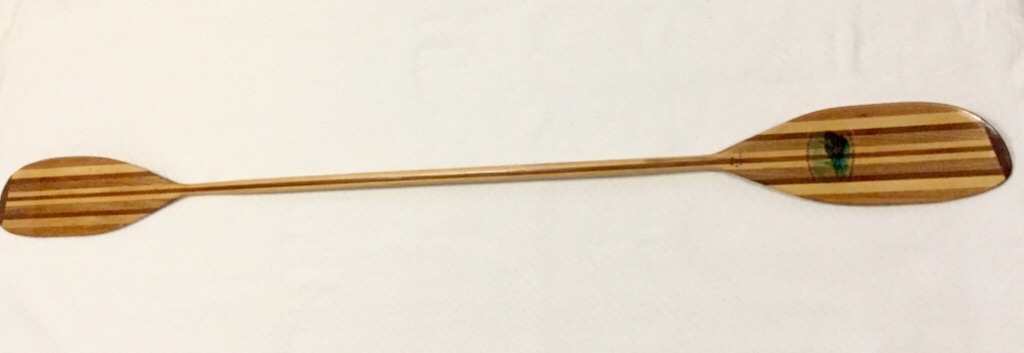
One Peice Straight Shaft
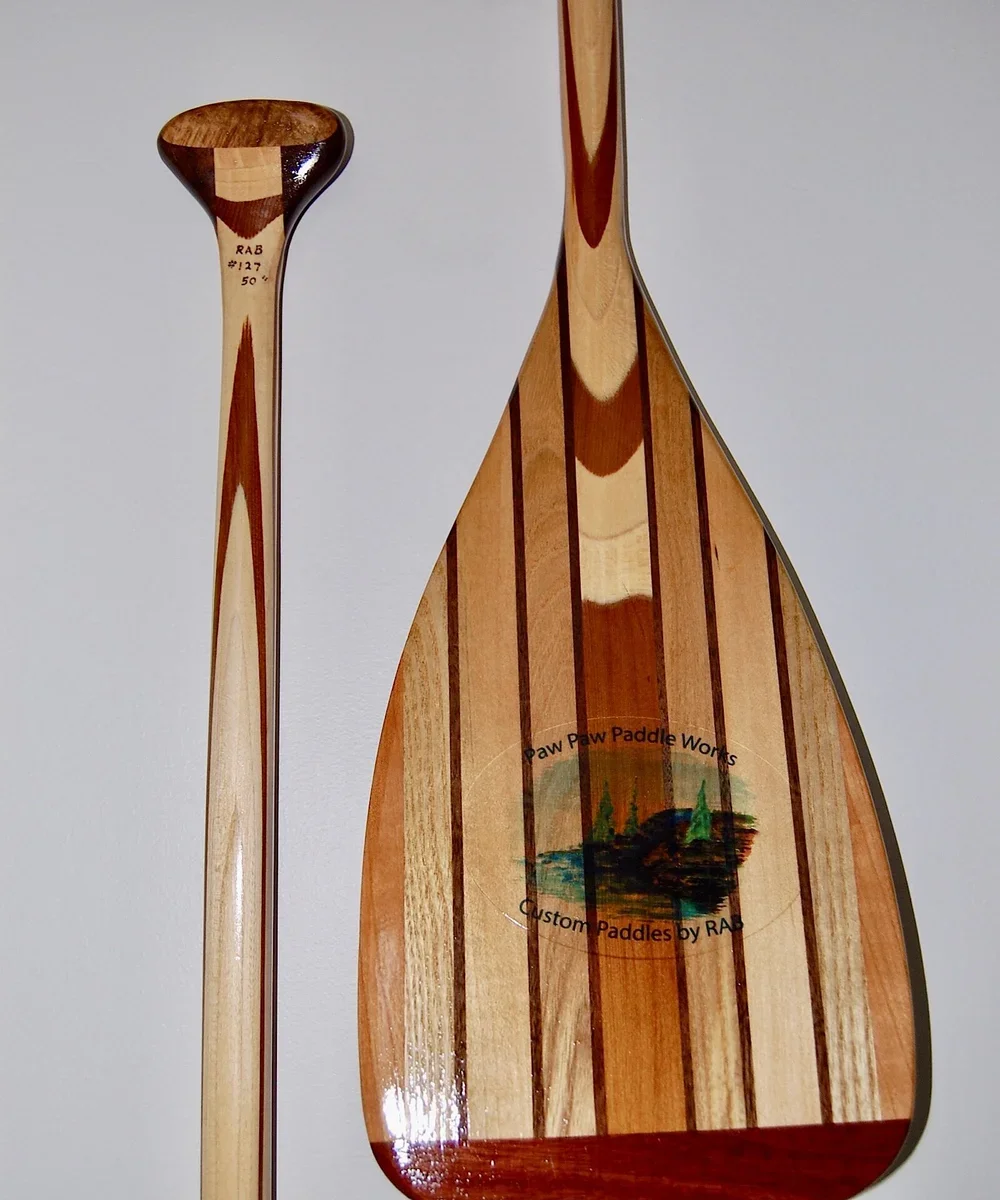
This is what a straight shaft paddle looks like.
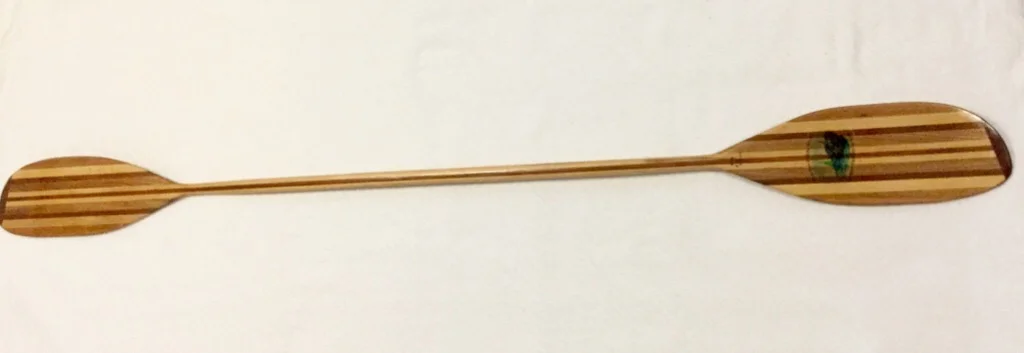
One Peice with Feather
Whatever it is, the way you tell your story online can make all the difference.
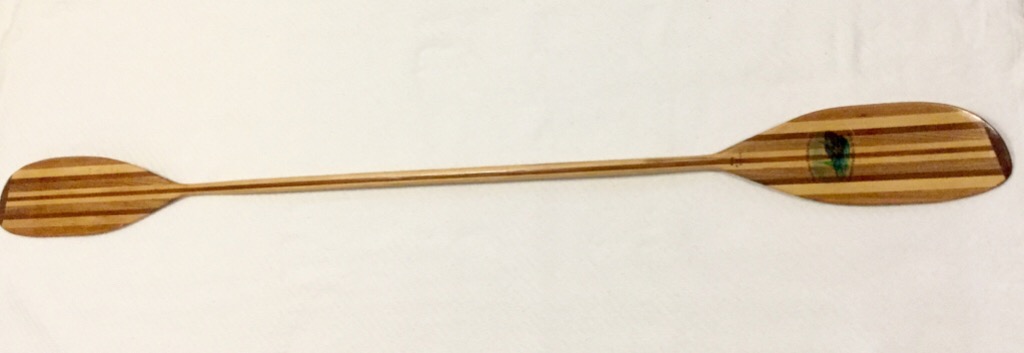
Two Peice with Carbon Fiber Ferrule
Whatever it is, the way you tell your story online can make all the difference.
Canoe Paddles
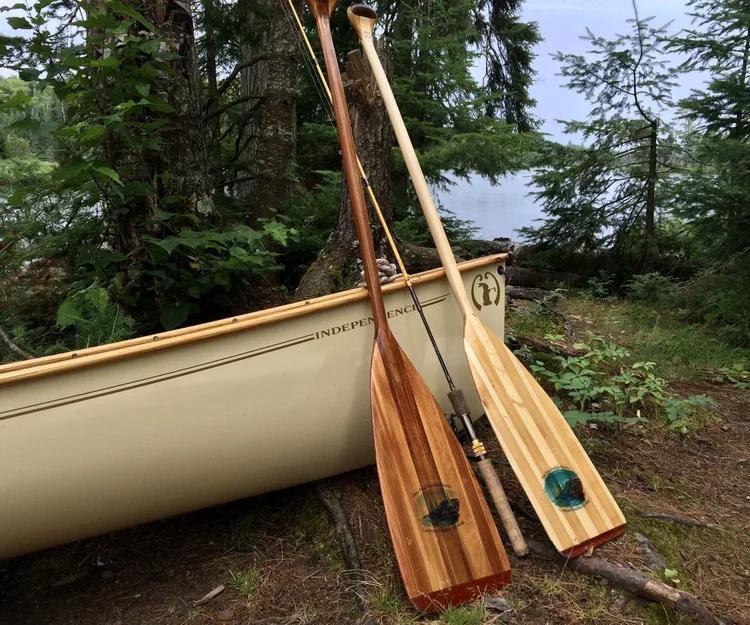
Beaver Tail
Whatever it is, the way you tell your story online can make all the difference.
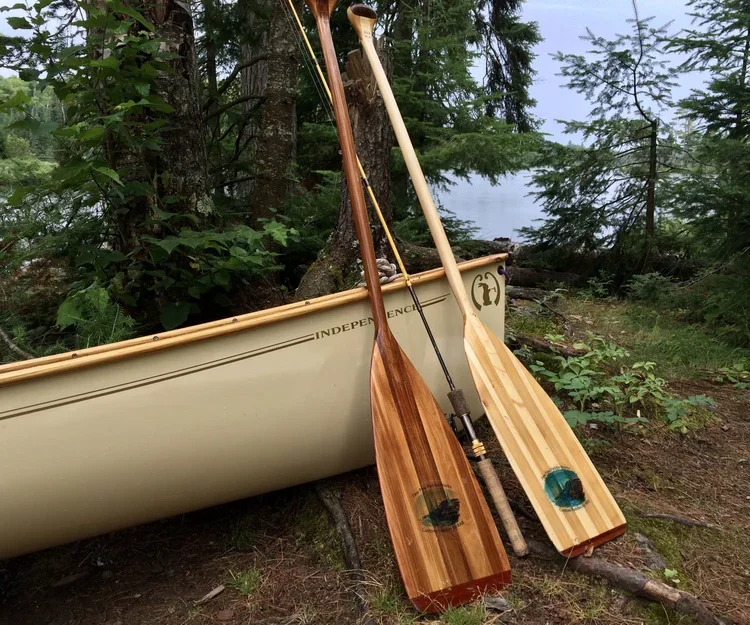
Bent Shaft
Whatever it is, the way you tell your story online can make all the difference.
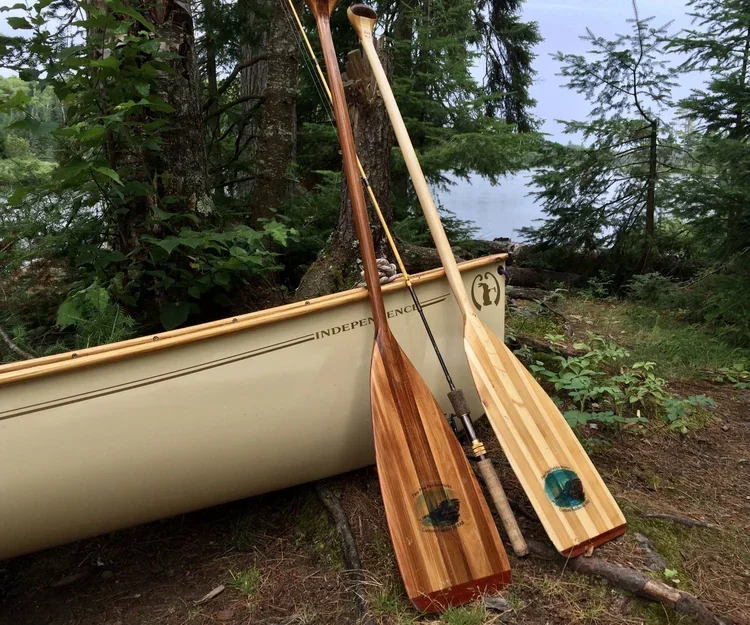
Traditional Straight Shaft
Whatever it is, the way you tell your story online can make all the difference.
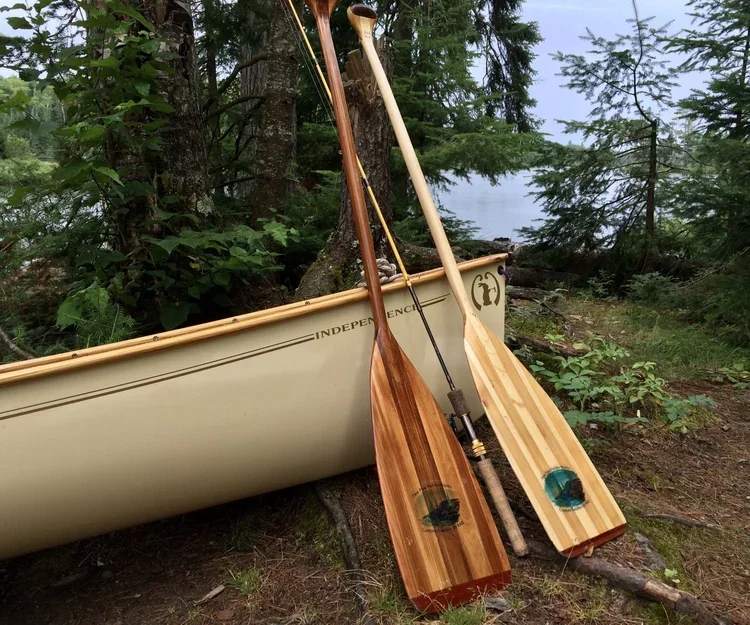
Double ended Two Peice
Whatever it is, the way you tell your story online can make all the difference.
Standup Paddle
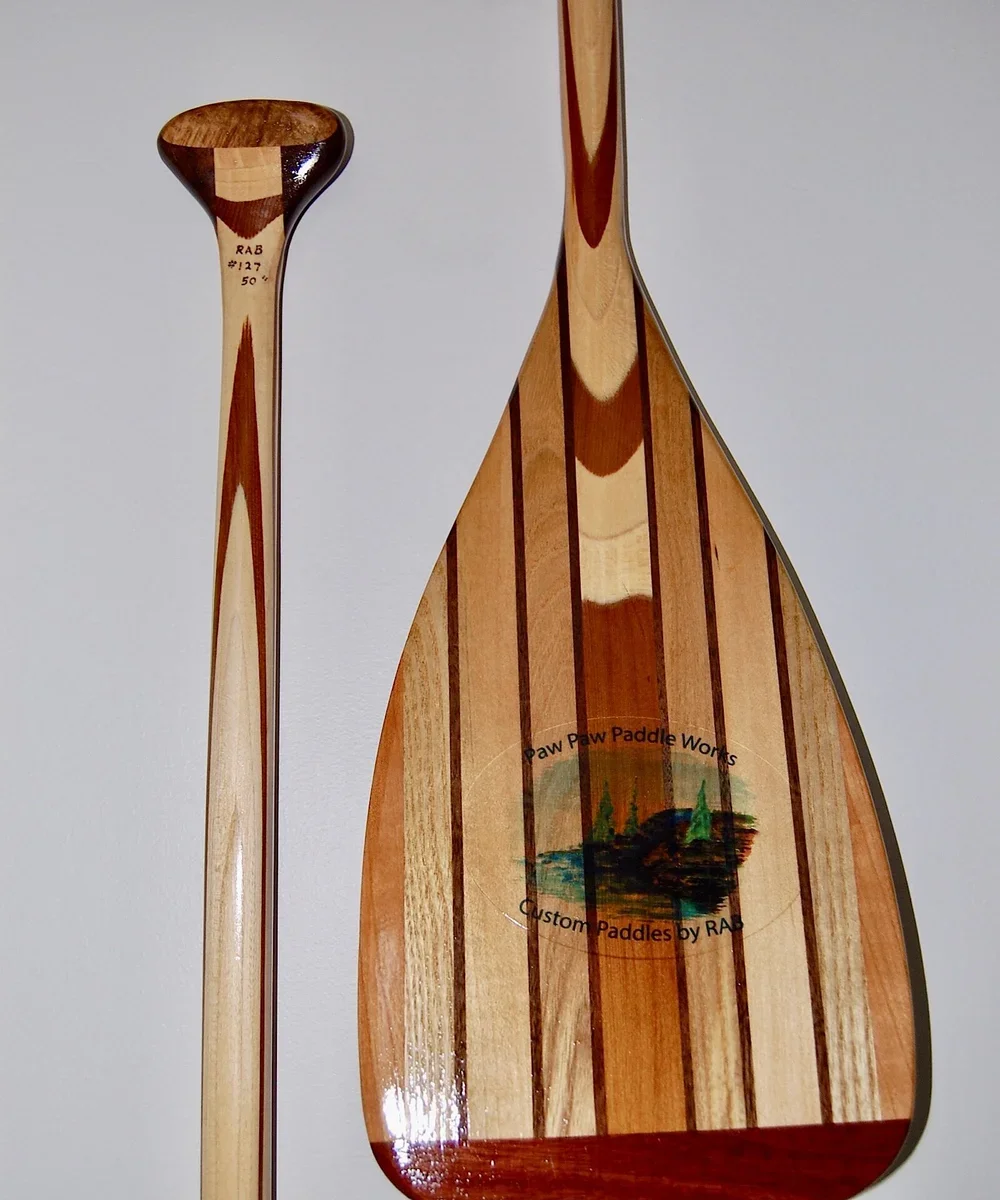
Straight Shaft
Advantages
Simple, predictable feel — the shaft is one continuous straight line, making it intuitive for beginners and experienced paddlers.
Better for maneuvering — ideal for surfing, whitewater SUP, or any situation where quick directional changes matter.
Allows multiple hand positions — helpful for long-distance paddling or adjusting grip on the fly.
Usually lighter — fewer curves mean less material and lower weight.
Drawbacks
Slightly less efficient in forward power compared to a bent shaft.
Can put more strain on wrists during long-distance paddling.
Bent Shaft
Advantages
More efficient power transfer — the bend keeps the blade at a more optimal angle during the power phase, giving you more forward drive per stroke.
Reduced wrist strain — the ergonomic angle can help maintain a neutral wrist position.
Great for long-distance touring or racing — where efficiency matters more than maneuverability.
Drawbacks
Less versatile — not ideal for surfing or technical paddling where you need rapid changes in blade angle.
Fixed hand positions — the bend locks you into a specific grip spacing.
Heavier and more expensive — due to more complex construction.